VISUAL BRAND IDENTITY: HOW TO CREATE A STRONG AND MEMORABLE BRAND (TIPS & EXAMPLES)
In today’s crowded marketplace, a strong visual identity design services are one of the most valuable growth drivers a business can invest in. Beyond aesthetics, visual branding directly impacts brand recognition, perceived value, and purchasing decisions. Companies with clear and consistent visual identities don’t just look better—they convert more, build trust faster, and scale more efficiently.
Think about brands like Nike, Apple, or McDonald’s. Their visual branding is instantly recognizable and consistently applied across every channel, reducing friction and increasing confidence at every customer touchpoint. Research shows that 94% of first impressions are design-related, and brands with consistent visual identities can increase revenue by 10–20%.
This commercial-focused guide explains how to create a high-performing visual brand identity using proven strategies, practical frameworks, and real-world examples. Whether you’re launching a brand, repositioning your business, or preparing to scale, these principles will help you attract the right audience, strengthen credibility, and generate long-term growth.

What Is Visual Brand Identity?
Visual brand identity is the system of visual elements that represent your brand and differentiate it from competitors. It includes both tangible and intangible components that work together to communicate who you are, what you stand for, and why customers should trust you.
According to Harvard Business School professor Jill Avery, brand identity defines the meaning and intent behind a company. She compares it to a pair of tinted glasses that shape how customers see and interpret your products or services. Through this lens, your offering becomes more than a commodity—it becomes meaningful and distinctive.
A complete visual brand identity typically includes:
Logo design and brand marks
Color palette and visual hierarchy
Typography and font systems
Packaging and print materials
Website and digital design
Photography and illustration style
When these elements are applied consistently, they create a cohesive brand experience that improves brand recognition, strengthens marketing performance, and builds emotional connections with the right audience.
Your visual identity should not be created in isolation. It needs to be aligned with your brand strategy so every visual decision reinforces the right positioning.

1. Define Your Brand Core Values and Stay Authentic
Every successful visual brand identity starts with a clear foundation: brand values and value proposition. These principles guide every visual decision, from logo design to messaging tone.
Your value proposition should clearly communicate:
What your brand offers
How it solves customer problems
What makes it different from competitors
Authenticity is critical. Customers quickly recognize when branding services feel forced or trend-driven rather than genuine. This is especially important for small and growing businesses competing with larger brands.
A strong example of authentic visual branding is Burt’s Bees. The brand built its entire identity around sustainability and natural ingredients. From eco-friendly packaging to earthy color palettes and transparent messaging, every visual element reinforces its mission. This alignment between values and visuals builds trust and long-term loyalty.
When defining your core values, ask:
What does our brand genuinely stand for?
What problems do we care most about solving?
What emotions should our brand evoke?
Clear, authentic values create the strategic backbone of a visual brand identity that feels credible and consistent over time.
2. Understand Your Target Audience
A visual brand identity is only effective if it resonates with the right people. Understanding your target audience is essential for creating branding that connects emotionally and drives conversions.
Go beyond basic demographics. Strong visual branding reflects deeper insights, such as:
Customer motivations and goals
Pain points and frustrations
Lifestyle preferences and values
Emotional triggers that influence decisions
Use tools like surveys, analytics, interviews, and customer feedback to build detailed buyer personas. These personas should feel like real people, not abstract profiles.
Turkish apparel brand Mavi demonstrates this approach well. Instead of copying Western denim brands, Mavi adapted popular fits to local body types while maintaining a global aesthetic. The result was a visual brand identity that felt both modern and culturally relevant.
As customer expectations evolve, revisiting audience insights ensures your visual branding remains relevant and effective.
Ready to elevate your brand identity?
Discover how our tailored branding services can transform your business
and set you apart from the competition.
3. Research Competitors and Create a Mood Board
Competitive research helps you understand industry standards and identify opportunities to differentiate your visual brand identity. Analyze how competitors use:
Logos and brand symbols
Color schemes and typography
Visual tone and imagery
Look for patterns and gaps. If most competitors use similar colors or styles, a distinct visual direction can help your brand stand out without losing credibility.
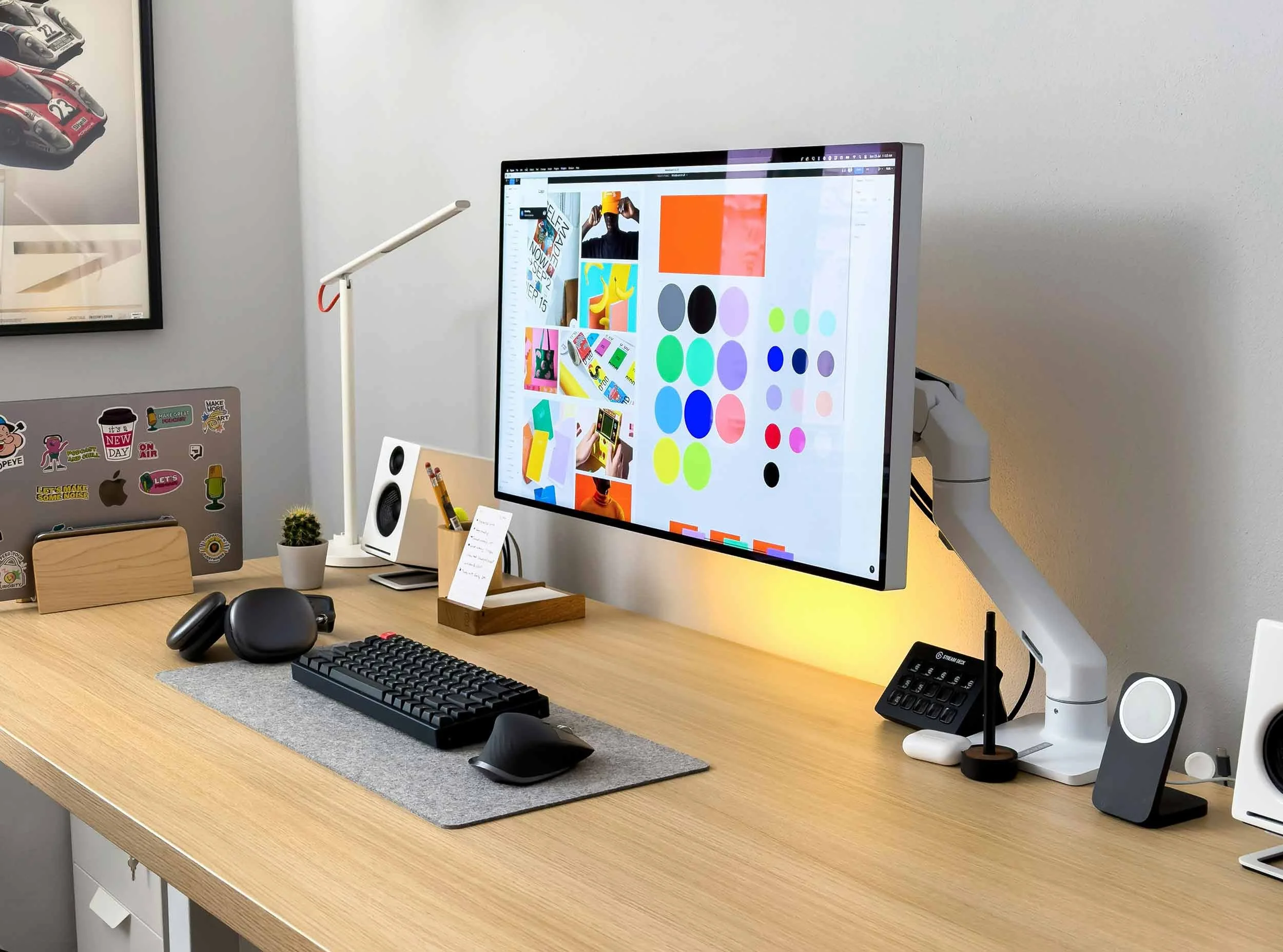
Once your research is complete, translate insights into a brand mood board. Mood boards visually define your desired brand aesthetic using colors, typography, textures, imagery, and layout inspiration.
A well-crafted mood board:
Aligns stakeholders and designers
Prevents inconsistent design decisions
Serves as a reference throughout brand development
This step bridges strategy and execution, ensuring visual consistency from the start.
4. Brainstorm With Your Team
Creating a strong visual brand identity is a collaborative process. Involve stakeholders from marketing, sales, customer support, product, and leadership to gather diverse perspectives.
Structured brainstorming sessions should explore questions like:
What emotions should our brand evoke?
How should customers describe us visually?
Which design elements best express our values?
Encourage creativity without judgment during early ideation. Document ideas and refine them later based on strategic alignment. Collaboration builds internal buy-in and ensures the final identity reflects the brand as a whole—not just one viewpoint.
Discover how we can turn your vision into reality.
Click the button below to explore our website and get to know the projects we've developed with passion and expertise.
5. Sketch and Explore Visual Concepts
Sketching transforms abstract ideas into tangible visual concepts. At this stage, focus on exploration rather than perfection.
Experiment with different logo styles:
Wordmarks (text-based logos)
Pictorial or symbolic logos
Combination marks
Also sketch how your visual identity will appear across touchpoints such as packaging, websites, social media, and print materials. This ensures flexibility and scalability.
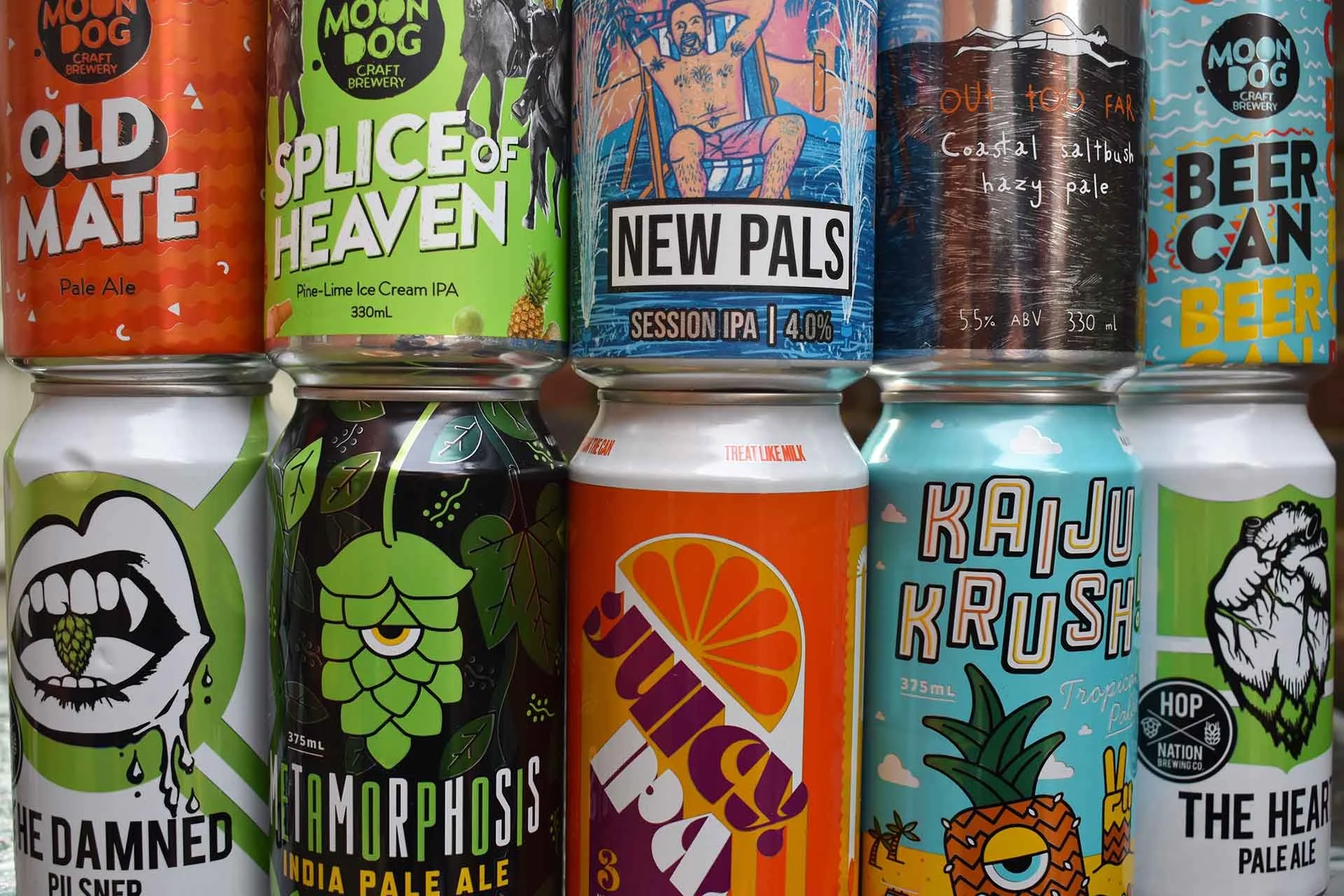
Brands like Pete & Gerry’s use packaging design strategically to communicate values such as animal welfare and product quality, tailoring visuals to different customer segments.
Multiple sketch directions give you options to test and refine before finalizing designs.
6. Refine Your Design: Less Is More
Minimalist design remains effective because it improves clarity, usability, and memorability. However, simplicity requires intentional execution.
A refined visual brand identity focuses on:
Clear typography and readability
Limited but purposeful color palettes
Strong visual hierarchy and spacing
The U.S. Open logo redesign is a strong example of modern minimalism. By simplifying shapes and typography, the brand improved versatility across digital platforms while maintaining recognition.
Test your designs at different sizes and contexts. A strong logo should work in black and white, at small scales, and across multiple formats.
7. Create a Visual Brand Style Guide
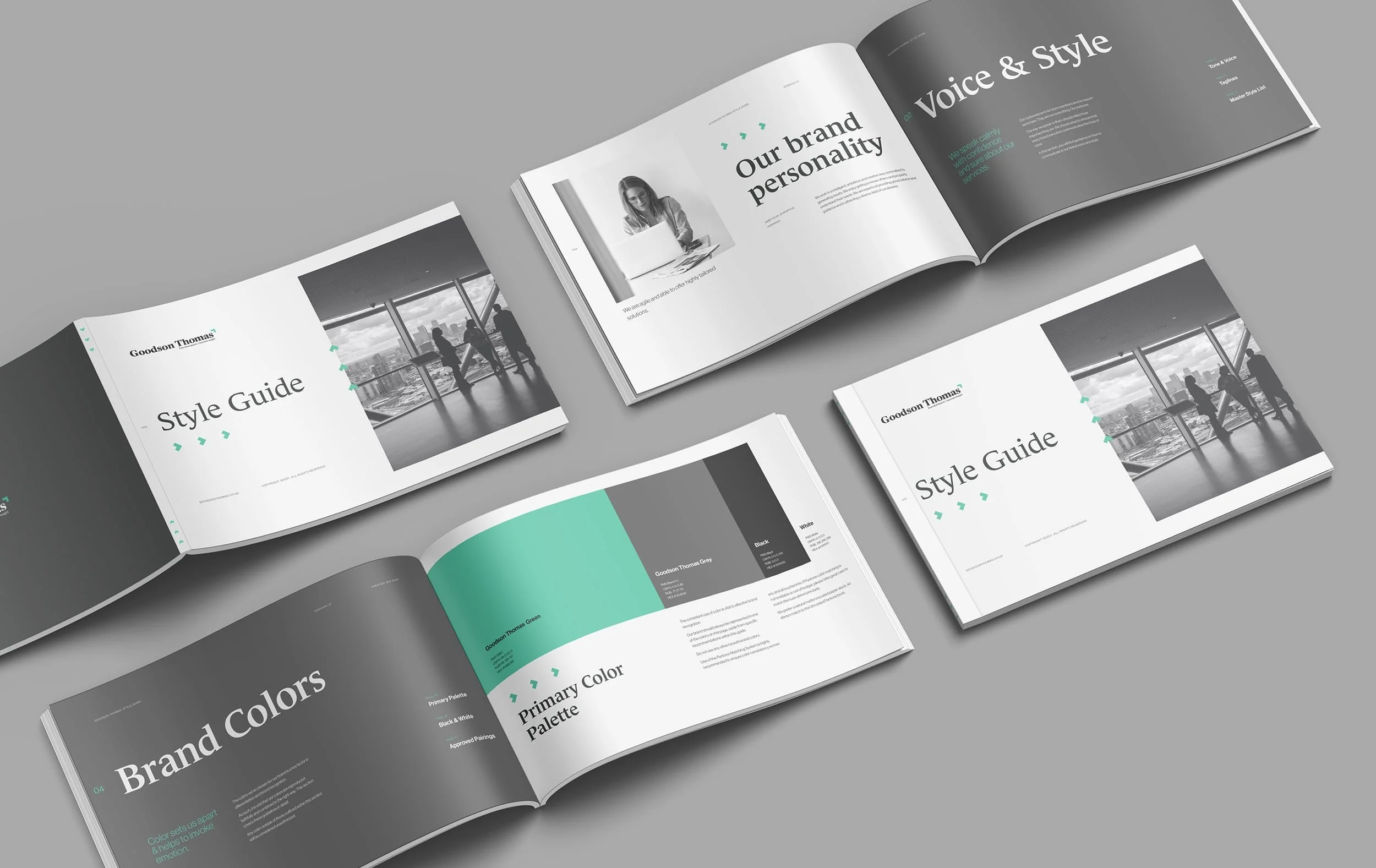
A brand style guide ensures visual consistency across all channels. It documents how your visual brand identity should be applied in every scenario.
A comprehensive style guide includes:
Logo usage rules and spacing
Color palette
Typography hierarchy and font usage
Photography and illustration guidelines
Brand voice and tone examples
This documentation empowers teams, agencies, and partners to maintain brand integrity as your business grows.
8. Maintain Brand Consistency Across Touchpoints
Consistency transforms good design into a recognizable brand. Visual consistency across websites, social media, packaging, and marketing materials reinforces trust and credibility.
Consistent visual branding:
Improves brand recall
Strengthens customer confidence
Increases operational efficiency
While consistency is essential, flexibility within guidelines allows creativity without diluting brand identity.
9. Launch Your Visual Brand Identity Strategically
A successful launch starts internally. Educate teams on the strategy behind the visual brand identity so they can communicate it confidently.
Prioritize high-visibility touchpoints such as websites and social media, then roll out physical materials. Share the story behind the design through blog posts, campaigns, or announcements to build engagement.
Monitor feedback and refine execution while staying aligned with core values.
10. Know When to Rebrand
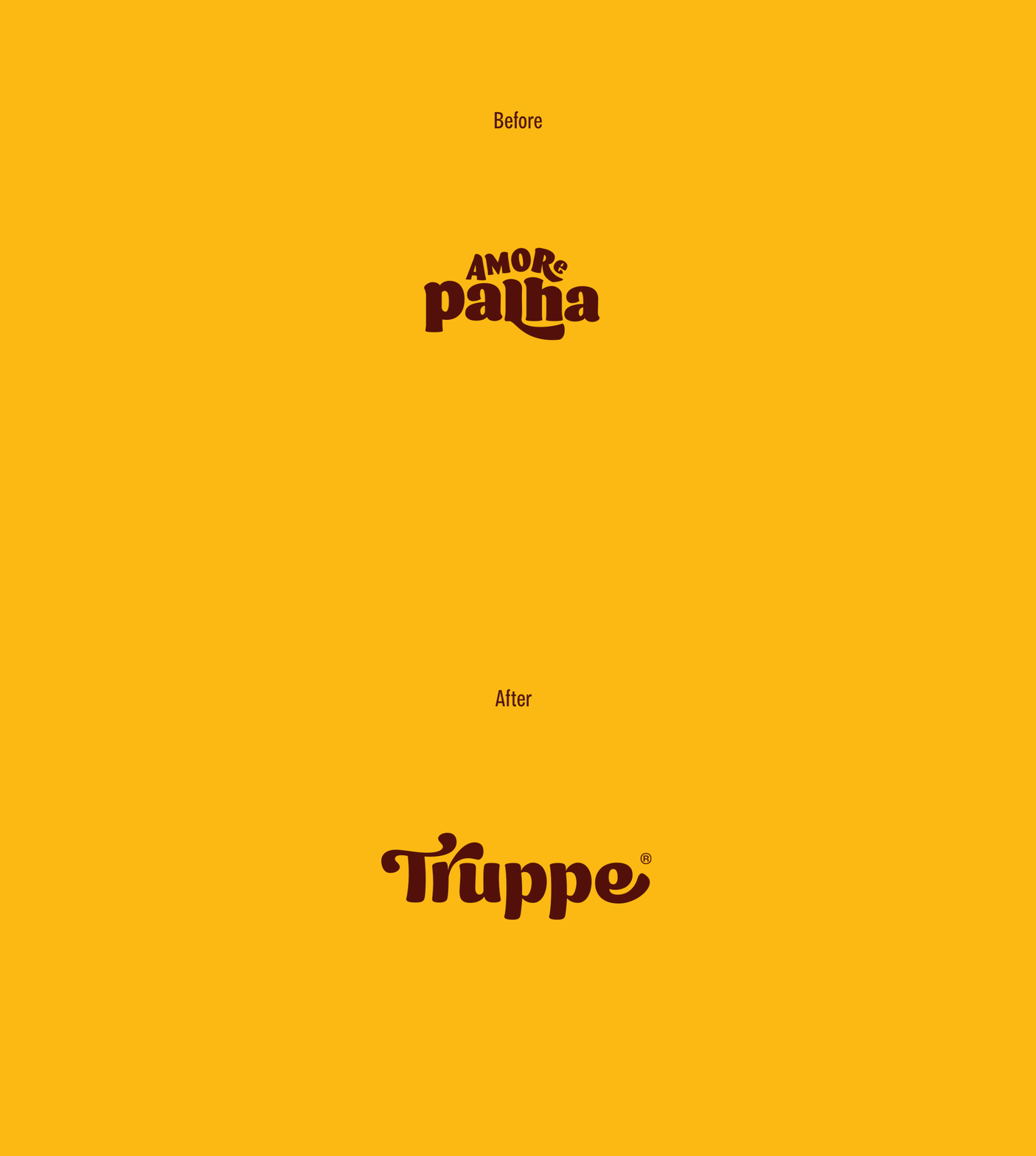
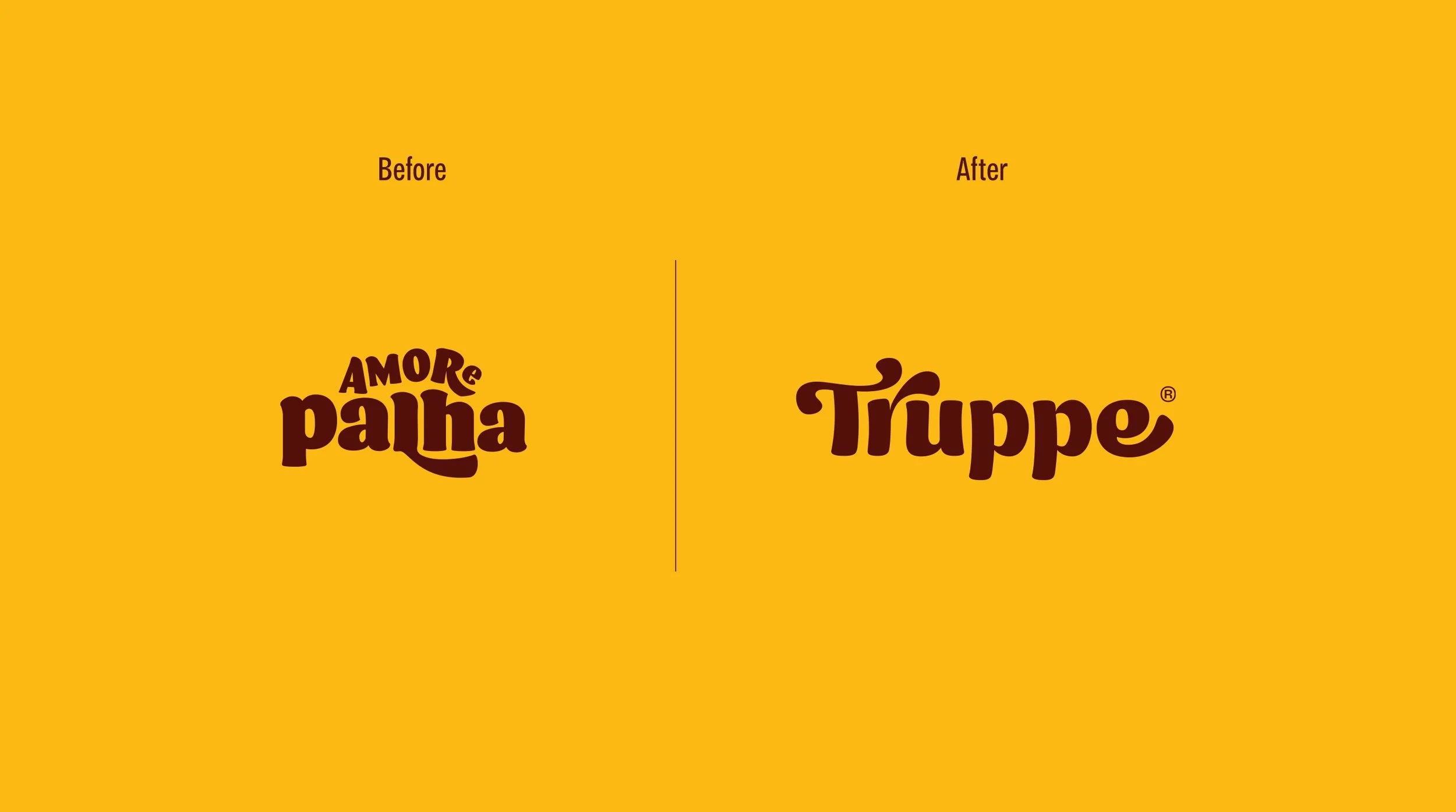
Markets evolve, and visual brand identities must evolve too. Strategic rebranding helps brands stay relevant without losing authenticity.
Brands like Gucci and Abercrombie & Fitch demonstrate how thoughtful evolution can reposition a company successfully. In contrast, brands like Coca-Cola show that consistency over decades can also be powerful.
Rebranding does not always mean starting over—it often means refining what no longer serves your goals.
Conclusion
A strong visual brand identity is not a design expense, it’s a strategic investment in growth. When your visuals, messaging, and positioning work together, your brand becomes easier to recognize, easier to trust, and easier to choose.
Businesses that treat visual branding strategically benefit from higher conversion rates, stronger brand recall, and more consistent customer experiences across channels. From startups seeking credibility to established companies preparing to scale, a well-defined visual identity supports every stage of growth.
If your brand visuals feel inconsistent, outdated, or misaligned with your goals, it may be time to rethink your visual brand identity. A clear, cohesive system helps you communicate value instantly and positions your business competitively in the market.
Ready to build or refine a visual brand identity that drives results? Partnering with an experienced brand and design specialist can accelerate the process, eliminate guesswork, and ensure your brand is built for long-term success.
Your visual brand identity is often the first interaction customers have with your business. Make sure it communicates value, confidence, and credibility from the very first impression.
Ready to elevate your brand to new heights?
Reach out to us today for a personalized consultation or a quote.