PSYCHOLOGY OF PRODUCT PACKAGING: HOW STRATEGIC PACKAGING DRIVES SALES
In today’s competitive market, product packaging plays a major role in buying decisions. It does more than protect a product. Packaging Design Services act as a psychological bridge between a brand and its audience. It shapes perception, triggers emotion, and influences behavior before a customer ever tries the product.
Studies show that many purchase decisions happen at the point of sale or during the first digital interaction. In these brief moments, packaging works as a silent salesperson. It communicates value, trust, and relevance within seconds. When designed with brand strategy, packaging does more than support marketing it drives sales, differentiation, and long-term growth.
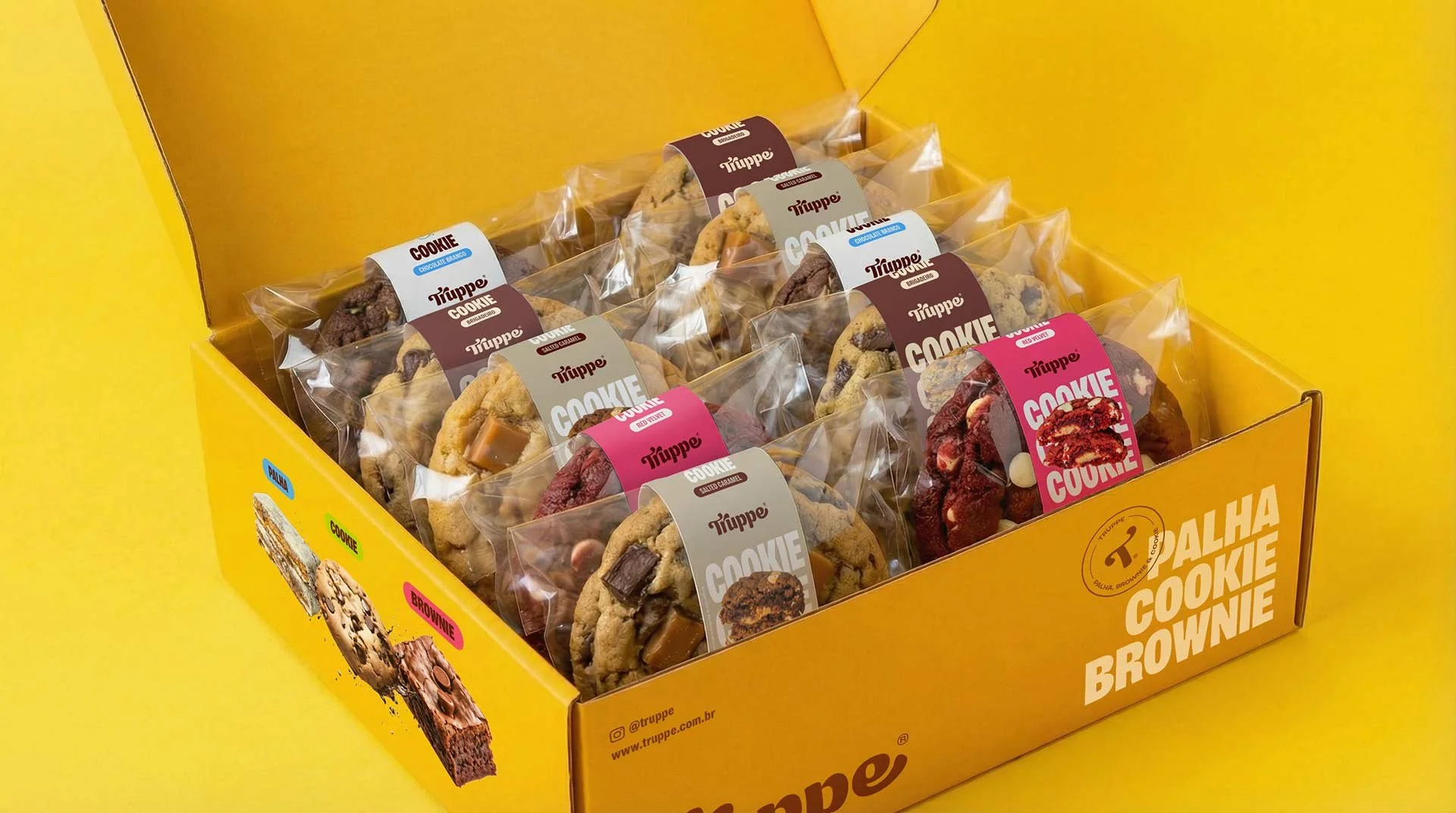
What Is Packaging Design?
Packaging design is the strategic process of creating both the structure and the visual identity of a product’s container. It includes primary packaging and secondary elements such as boxes, sleeves, and shipping materials that shape the full brand experience.
Effective packaging design combines several disciplines:
Structural engineering to protect the product and improve logistics
Graphic design to create visual impact and brand recognition
Consumer psychology to influence perception and decision-making
Usability and sustainability aligned with modern expectations
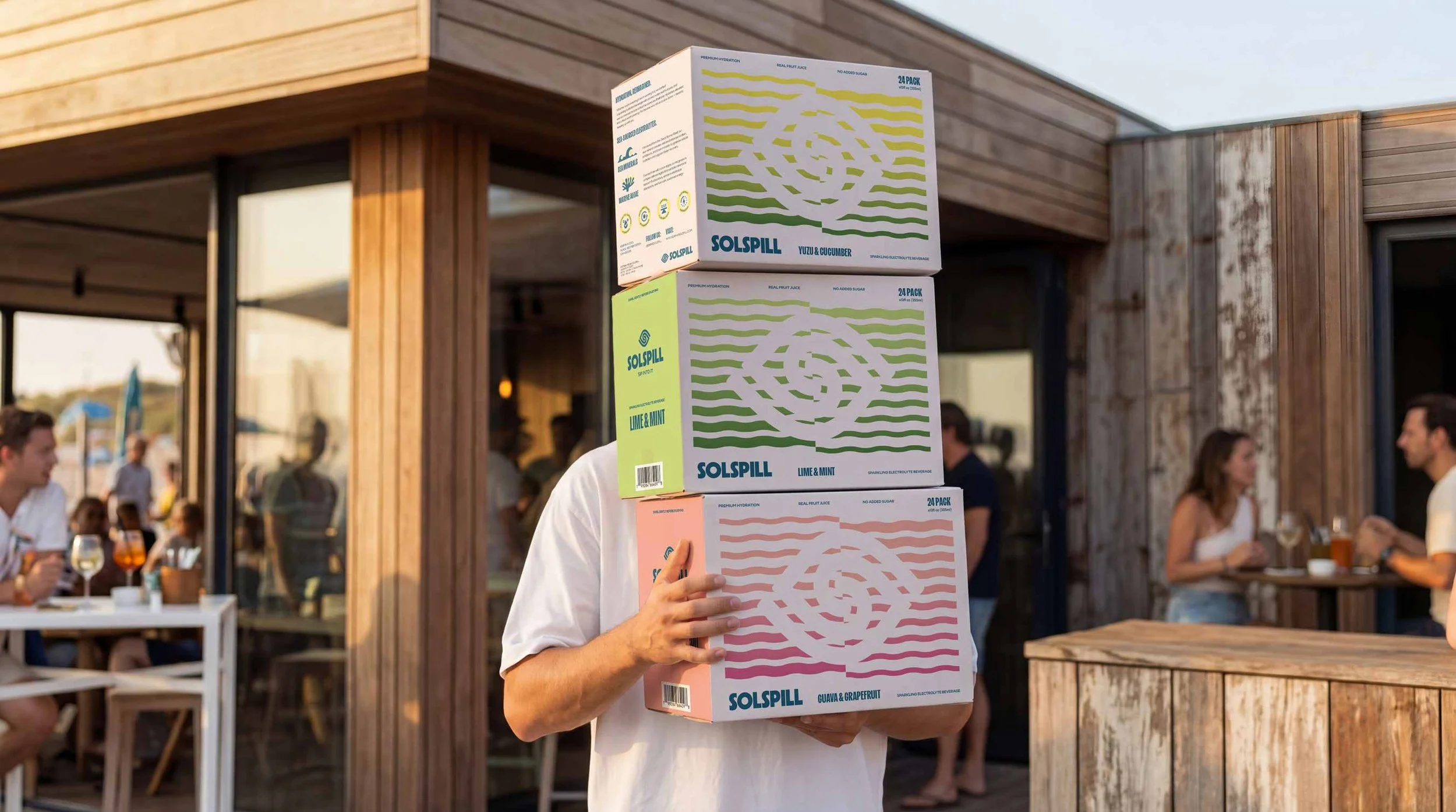
When these elements work together, packaging becomes a strong and scalable brand touchpoint. It performs across retail, ecommerce, and direct-to-consumer channels.
Why Packaging Design Is Critical to Sales Performance
Packaging shapes expectations before a product is touched, tasted, or used. As the first physical interaction with a brand, it sets assumptions about quality, trust, and value.
From a business perspective, packaging supports three main goals:
Product protection, reducing damage, returns, and dissatisfaction
Sales enablement, helping products stand out and influence decisions
Brand recognition, reinforcing consistency and long-term recall
Brands that treat packaging as a strategic investment—not just a cost—often achieve higher conversion rates, stronger perceived value, and deeper customer loyalty.

The Packaging Paradox: When Strong Products Fail to Convert
Many founders invest heavily in product development but see weak sales. Often, the problem is not the product. It is how the product is presented.
This issue is known as the packaging paradox. It happens when packaging sends signals that clash with customer expectations. Consumers use packaging to quickly judge whether a product is relevant and trustworthy. If the signals feel wrong, even great products struggle to sell.
A clear example is M.O.O. (Mom’s Official Objective), a maternal health brand. At launch, it used marble textures and metallic gold accents. The design looked refined, but it also felt expensive and exclusive. That message conflicted with the brand’s mission of accessibility. After a strategic rebrand aligned the packaging with the audience, performance improved—without changing the product.
The lesson is simple: packaging success depends on customer perception, not internal preference.
Ready to elevate your brand identity?
Discover how our tailored branding services can transform your business
and set you apart from the competition.
👉 Let’s build a brand that stand out – Request a proposal!

How Packaging Design Influences Consumer Behavior
Capturing Attention in Competitive Environments
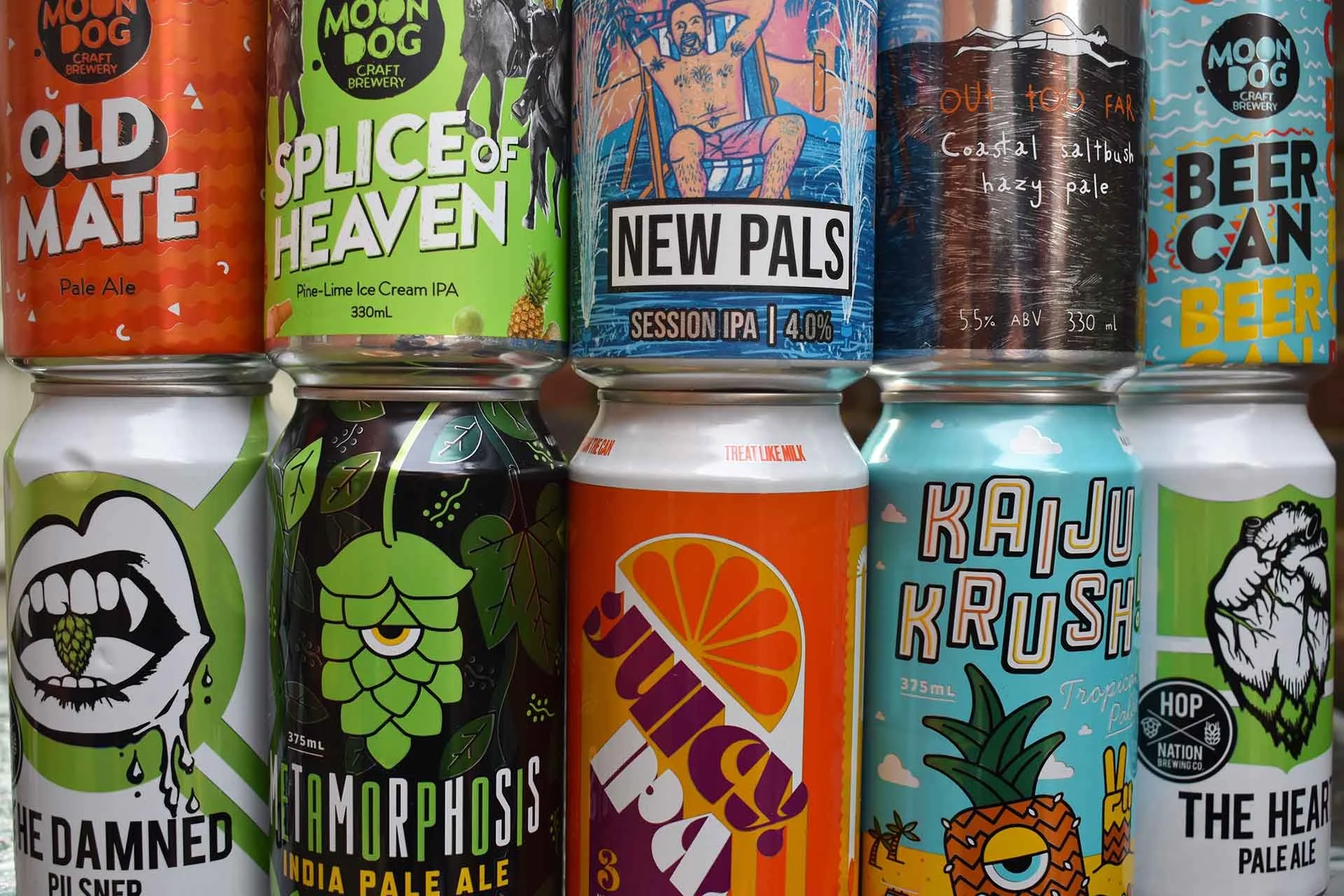
Consumers face thousands of visual messages every day. Packaging has only seconds to stand out.
Color, typography, imagery, and layout must work together to create immediate clarity. Strong packaging quickly answers three questions:
What is this product?
Who is it for?
Why should I choose it?
When customers understand this at first glance, engagement and purchase rates increase.
Increasing Visibility and Brand Recall
Good packaging attracts attention. Great packaging builds memory.
Distinct visual and tactile cues help products stay recognizable across different settings. Techniques that improve visibility and recall include:
Unique shapes or silhouettes
Premium finishes such as embossing or spot gloss
Material choices that signal quality or sustainability
Over time, these elements become visual shortcuts. Customers can spot and choose the brand with confidence.
Building Trust Through Consistency
Consistency builds trust. When customers see the same visual language across products, shipping materials, and digital images, it signals professionalism and reliability.
Consistent packaging design helps:
Reduce cognitive effort while shopping
Speed up decision-making
Strengthen brand recognition
Familiarity increases trust. Trust drives loyalty.
Enhancing Perceived Value and Quality
Before customers use a product, packaging represents its quality. Small details matter. Material weight, finish, and construction all affect perceived value.
Elements that elevate perceived quality include:
High-quality or sustainable materials
Clean and precise graphic design
Clear, transparent product information
When packaging shows care and attention to detail, customers are more willing to trust the product and justify its price.
Activating Emotional Triggers
Emotions drive buying decisions. Packaging can trigger feelings that go beyond function.
Common emotional triggers include:
Nostalgia through retro or familiar design
Aspiration through premium aesthetics
Joy through bold colors or playful illustration
Belonging through shared values like sustainability or culture
Brands that connect emotionally build stronger loyalty and advocacy over time.
Discover how we can turn your vision into reality.
Click the button below to explore our website and get to know the projects we've developed with passion and expertise.

Real-World Examples of Strategic Packaging Design
Brands such as Vitaminwater and Innocent Drinks show how packaging can reshape entire categories.
While their styles differ, they share common strengths:
Clear differentiation from competitors
Strong alignment between packaging and brand values
Consistent performance across retail and digital channels
These examples prove a key principle: successful packaging is built on strategy and consumer insight.
How to Apply Packaging Psychology to Your Brand
Using packaging psychology requires research and testing. You must understand your audience, analyze competitors, and validate decisions with real users.
Effective packaging strategies often include:
Defining buyer personas and clear brand positioning
Studying competitor packaging inside and outside your category
Testing prototypes for visual appeal and usability
Gathering feedback and improving based on real data
This process ensures packaging evolves with market conditions and consumer expectations.

Conclusion: Packaging Design as a Commercial Advantage
The psychology of product packaging remains one of the most underused growth levers. When designed strategically, packaging increases conversions, strengthens brand perception, and reduces reliance on discounts.
High-performing brands treat packaging as a long-term asset. It communicates value, builds trust, and influences buying decisions at scale. In crowded markets, this approach often makes the difference between being noticed—and being chosen.
Ready to elevate your brand to new heights?
Reach out to us today for a personalized consultation or a quote.