LOGO BRAND GUIDELINES: THE STRATEGIC FOUNDATION OF CONSISTENT, SCALABLE BRANDING
Summary:
This guide explains what logo brand guidelines are, why they are essential for business growth, and how to build and apply them across all brand touchpoints. You will learn how a structured brand system improves consistency, accelerates workflows, and increases brand value, while also understanding when to invest in professional brand guidelines design services.
What Is a Logo Brand Guidelines System
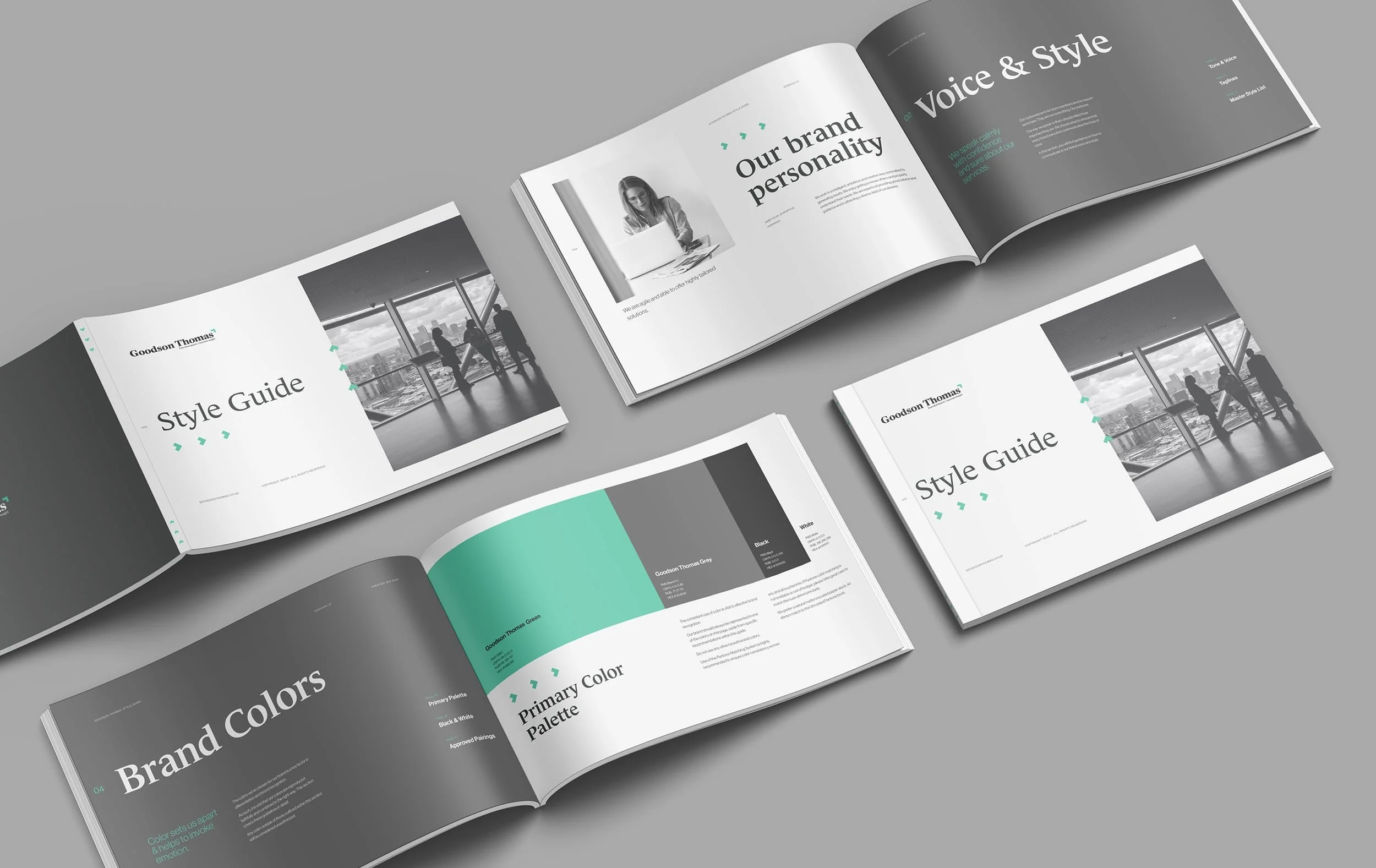
A logo brand guidelines system defines how a brand’s logo and visual identity should be used across all channels. It is part of a broader brand style guide, but focuses specifically on protecting and scaling the most recognizable asset of a brand.
A logo guide is not just a visual reference. It is a brand governance tool that ensures every logo application remains consistent, regardless of who creates the asset.
Definition and Core Purpose
Logo brand guidelines establish clear rules for:
Logo usage
Spacing and proportions
Color variations
Background applications
These rules eliminate guesswork and ensure brand consistency at scale.
Brand Style Guide vs Logo Guide vs Brand Book
It is important to clarify the difference:
Logo guide focuses only on logo usage
Brand style guide covers visual and verbal identity
Brand book often includes strategy and storytelling
In this context, “logo brand guidelines” refers to a practical and execution-focused system, not a conceptual document.
The Role as a Centralized Brand System
A well-structured logo guide acts as a single source of truth for:
Designers
Marketing teams
External agencies
This reduces inconsistency and speeds up production.
Who Uses Logo Brand Guidelines
Typical users include:
Startups scaling marketing output
Growing brands with multiple touchpoints
Companies working with external partners
👉 If your team is growing, consistency becomes harder to maintain. This is where structured guidelines start to deliver real value.
Ready to elevate your brand identity?
Discover how our tailored branding services can transform your business
and set you apart from the competition.
Why Brand Consistency Drives Business Growth
Brand consistency is a commercial advantage. It directly impacts recognition, trust, and conversion.
When logo usage varies across platforms, it weakens perception. When it is consistent, it builds familiarity.
The Relationship Between Consistency and Trust
Consistent branding signals professionalism.
Inconsistent branding creates friction and doubt.
Over time, consistency builds brand trust, which is a key driver of conversion.
Impact on Brand Recognition and Recall
Brands that apply logo guidelines correctly achieve:
Faster recognition
Stronger recall
Higher perceived value
This is especially critical in competitive markets.
How Consistency Influences Conversion and Revenue
Familiar brands convert better.
A consistent logo presence across digital touchpoints reinforces credibility and reduces hesitation during decision-making.
Scaling Marketing Operations with Clear Guidelines
Without guidelines, every asset requires approval.
With guidelines, teams move faster and produce aligned outputs.
👉 Need to scale your brand without losing consistency? A structured brand system solves that.
Ready to elevate your brand identity?
Discover how our tailored branding services can transform your business
and set you apart from the competition.
The Risks of Not Having Logo Brand Guidelines
Brands often underestimate the impact of inconsistency.
The problem is not one mistake. It is the accumulation of small deviations.
Visual and Verbal Inconsistencies Across Channels
Common issues include:
Stretched or distorted logos
Incorrect colors
Inconsistent typography
These errors dilute brand identity.
Internal Inefficiencies and Slower Workflows
Without clear rules:
Designers hesitate
Marketers ask for approvals
Projects slow down
This creates operational inefficiency.
Fragmented Customer Experience
Customers experience different versions of the same brand.
This weakens perception and reduces trust.
Long-Term Damage to Brand Equity
Over time, inconsistency leads to:
Lower recognition
Reduced credibility
Loss of brand equity
What Makes a Strong Logo Brand Guidelines
Not all logo guides are effective.
The best ones balance clarity, usability, and flexibility.
Balance Between Flexibility and Control
Strong guidelines allow adaptation without losing identity.
They define boundaries but do not limit creativity.
Clarity, Accessibility, and Structure
A good logo guide is:
Easy to navigate
Clearly structured
Practical to use daily
Use of Real-World Examples vs Abstract Rules
Abstract rules are often ignored.
Real examples make guidelines actionable.
Tailoring Guidelines to Business Needs
A startup and a global brand require different levels of detail.
Effective guidelines reflect real use cases.
Discover how we can turn your vision into reality.
Click the button below to explore our website and get to know the projects we've developed with passion and expertise.
Core Elements of a Comprehensive Logo Guide
A complete logo brand guidelines system connects strategy to execution.
Brand Foundations (Context for Logo Usage)
Even a logo guide should reference:
Brand purpose
Positioning
Values
This ensures alignment between design and strategy.
Logo Usage Rules and Variations
Core elements include:
Primary and secondary logos
Clear space rules
Minimum size
Incorrect usage examples
Color Systems and Typography Alignment
Logo application depends on:
Defined color palette
Consistent typography
These elements must work together as a system.
Imagery and Visual Language Integration
Logo guidelines should align with:
Photography style
Illustration systems
Iconography
This creates a cohesive visual identity.
Applying Logo Brand Guidelines Across Touchpoints
Consistency only matters if applied everywhere.
Digital Channels
Includes:
Websites
Social media
Paid ads
Email marketing
Each requires specific logo adaptations.
Physical Applications
Includes:
Packaging
Print materials
Event branding
Consistency must extend beyond digital.
Internal and Corporate Communications
Logo usage in:
Presentations
Reports
Internal documents
This reinforces brand culture.
Partner and Agency Alignment
External partners must follow the same system.
A clear logo guide ensures alignment across all collaborators.

Logo Brand Guidelines as a Living System
A logo guide should evolve with the brand.
Why Guidelines Must Evolve
Markets change.
Products evolve.
New channels emerge.
Guidelines must adapt.
Updating Based on Real Usage
Feedback from teams reveals gaps.
Updates improve usability.
Managing Version Control and Accessibility
Guidelines should be:
Easy to access
Regularly updated
Clearly versioned
Maintaining Relevance Across Channels
New platforms require new applications.
A static guide quickly becomes outdated.
Brands that evolve their guidelines maintain consistency over time.
The ROI of Investing in Logo Brand Guidelines
A professional logo guide delivers measurable value.
Operational Efficiency
Teams work faster with clear rules.
Cost Reduction
Less rework.
Fewer revisions.
Lower production costs.
Stronger Brand Recognition
Consistency increases visibility and memorability.
Enabling Scalable Growth
Guidelines allow brands to grow without losing identity.
👉 If you are building or scaling your brand, investing in a professional brand identity system is one of the highest ROI decisions you can make.
Explore our brand identity agency services to create a scalable and consistent brand.
Ready to elevate your brand identity?
Discover how our tailored branding services can transform your business
and set you apart from the competition.
Frequently Asked Questions
-
A complete logo guide includes logo variations, spacing rules, color specifications, typography alignment, and incorrect usage examples.
-
It should be detailed enough to guide real-world applications, but simple enough to be used daily without friction.
-
As soon as the brand starts producing content across multiple channels or working with multiple stakeholders.
-
They should be reviewed regularly and updated whenever the brand evolves or expands into new channels.