BRANDING PACKAGE: WHAT IT INCLUDES, WHAT IT COSTS, AND HOW TO CHOOSE ONE
This guide explains what a branding package is and what a professional one should include. You will learn how pricing works, what drives the cost, and how a branding package differs from a logo project or a packaging design project. You will also get a clear way to compare providers before you buy.
It is written for founders, marketing leads, and business owners who are shopping for branding services right now.
A brand is not built by accident. It is built through strategy, a clear visual system, and consistent use. A branding package is what makes that consistency possible.

What Is a Branding Package?
A branding package is a complete set of brand assets and usage rules. It defines how your business looks, sounds, and communicates across every channel.It works as a system, not as a folder of separate files. The logo, colors, typography, messaging, and templates are designed to fit together. A written guide explains how to use each one.The effect is simple. A customer who sees your website, your Instagram post, your invoice, and your product label gets the same signal every time. That repetition builds recognition.
What a branding package is not
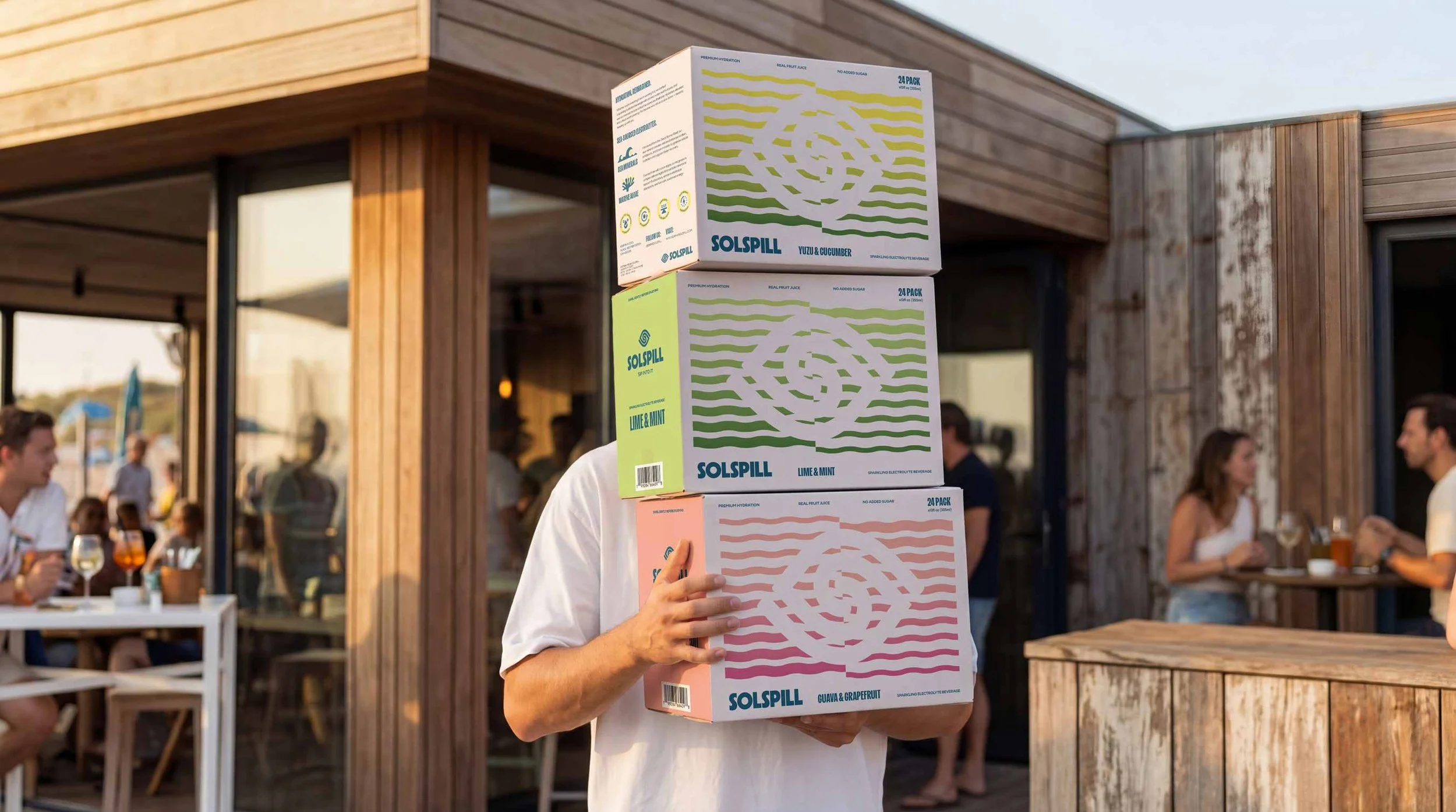
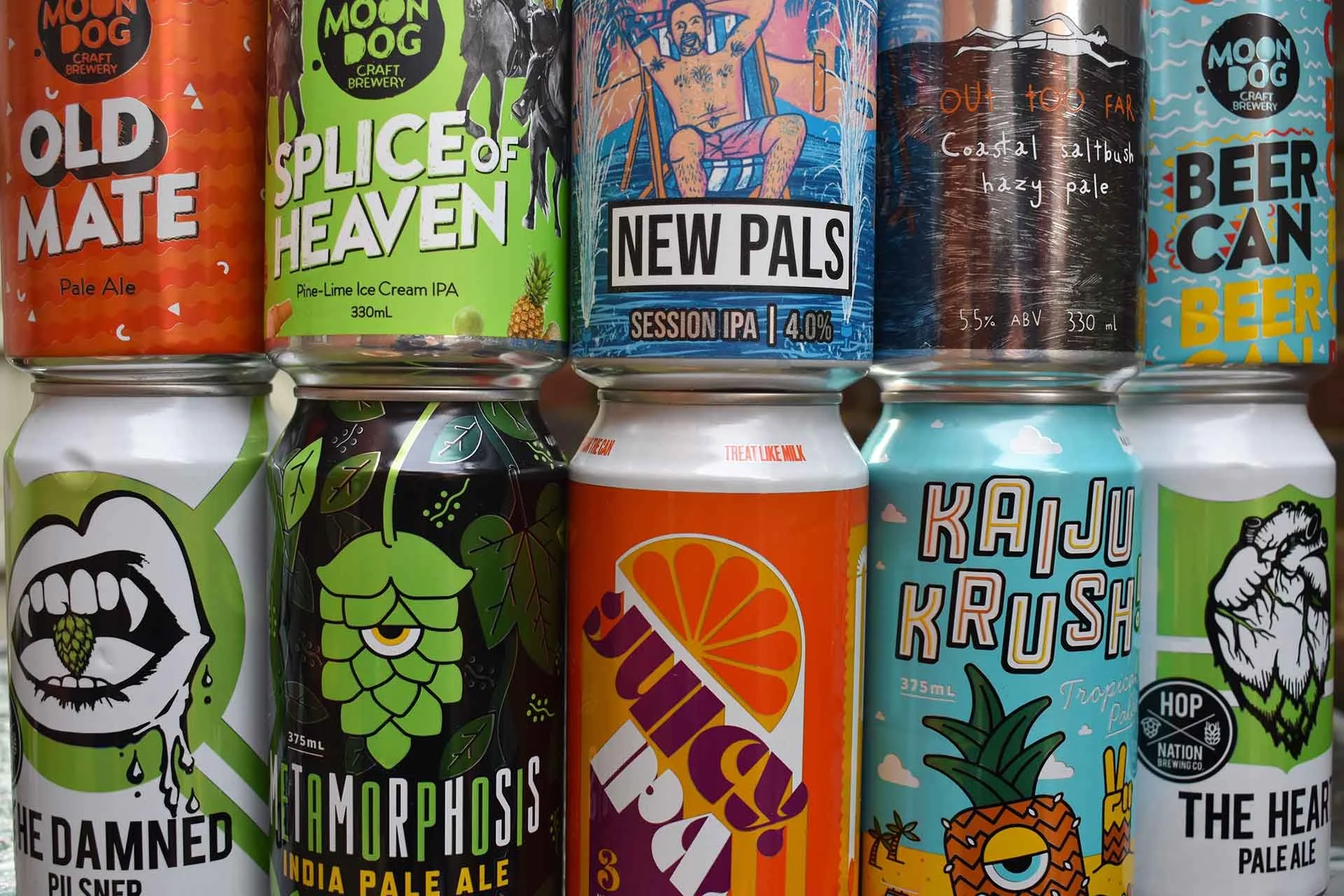
Three terms get mixed up often. The difference matters when you compare quotes.A logo design project delivers one asset. A branding package delivers the full identity system around it. That includes logo variations, color rules, type hierarchy, and written documentation.Packaging design is a separate thing. It covers the physical presentation of a product, such as labels, boxes, and shelf ready formats. It usually comes after a branding package. If you sell a physical product, you will need both. Our packaging design services extend an existing identity onto product formats.There is one more distinction worth making. Your brand is what customers think of you. Your brand identity is the system you design to shape that thought. A branding package delivers the second in order to influence the first.
Branding package, brand kit, and brand book
The industry uses these labels loosely. That causes real confusion when you buy.A brand kit usually means a light set of files. Often just a logo, colors, and fonts. A brand book, also called brand guidelines, is the written manual for use. A branding package should include both the assets and the manual. At a professional level, it also includes the strategy behind the choices.Ask any provider which of the three they are quoting.
Why Businesses Invest in a Professional Branding Package
People decide fast. When your visual signals do not match, trust drops before anyone reads your copy.
The cost of inconsistency
Businesses without a defined identity system tend to hit the same problems.
Several logo versions in use, with no rule for which goes where
Colors and fonts that shift between the website, social media, and print
Messaging that changes tone depending on who wrote it
Sales and marketing assets that do not look related
Each problem is small on its own. Together they make a business look less established than it is.
Credibility and perceived value
Consistency reads as competence. A company that presents itself with care is assumed to work with care.
This drives price positioning. Perceived value depends heavily on presentation. A clear identity system supports a higher price. Discounting never does.
Faster, cheaper marketing
A branding package is also an internal tool. When a designer, a freelancer, or a new hire has rules to follow, work moves faster and revisions drop.
Marketing gets more efficient too. Every asset builds on the last one instead of starting over.
Room to grow
A good identity system plans for growth. It handles new products, new channels, and new markets without a redesign each time.
Strategy is what makes that possible. Positioning work, done through our brand strategy services, lets an identity stretch without breaking.
What a Professional Branding Package Includes
Scope changes by provider and by business stage. Here is what a complete package covers.
Logo suite and variations
One logo file is not enough for real use.
A full logo suite includes a primary lockup and a horizontal or stacked version. It adds an icon or monogram for small formats, such as social avatars and favicons. It also includes single color versions for print, embroidery, and low contrast backgrounds.
You should receive vector files for scaling and raster files for immediate use. Clearspace and minimum size rules should come with them.
Color palette and color system
Color drives recognition faster than any other element.
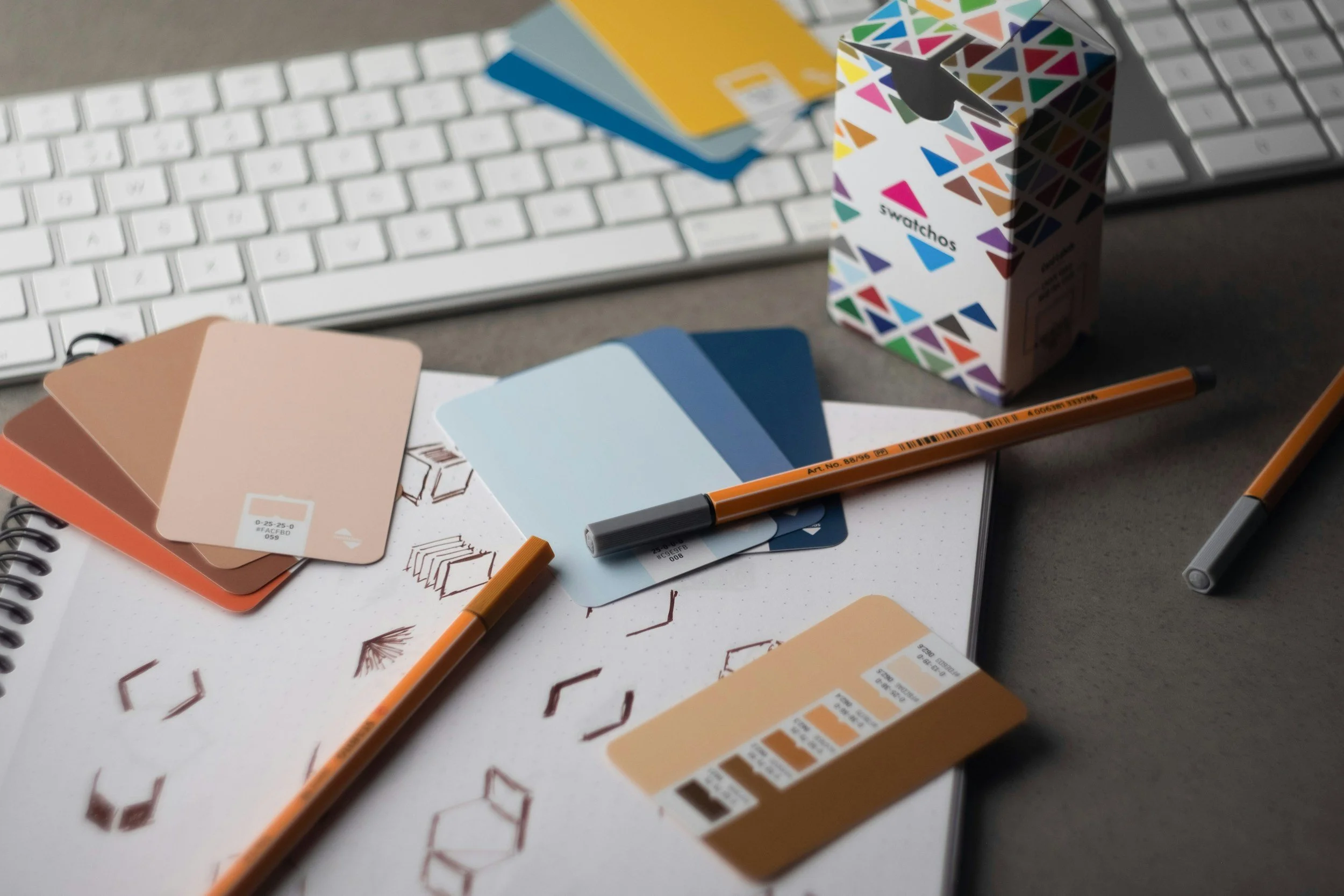
A professional palette defines primary colors, secondary and accent colors, and neutrals. Each one is specified for the formats you actually use. HEX and RGB for digital, CMYK for print, and Pantone for spot color.
The system should also set proportion. It should say which colors lead and which support. Without that rule, every color gets used evenly and the identity loses its signature.
Typography and hierarchy
Type carries tone. It tells people whether a business is precise, warm, technical, or premium before they read a word.
Your package should name a primary and a secondary typeface. It should confirm licensing for commercial and web use. It should also set a hierarchy for headlines, subheads, body copy, and captions, with rules for weight, spacing, and line height.
Licensing gets skipped often, and that creates legal risk later. Confirm that font licenses are included or clearly named.
Brand messaging and verbal identity
Visuals get attention. Words explain value.
This part defines your value proposition, your positioning statement, your core message pillars, and your tone of voice. It also covers the words your brand uses and the words it avoids.
New companies and new product lines often need a name as well. Our naming services cover name generation, screening, and verbal systems.
Brand applications and templates
An identity has to be tested on real formats before you can trust it.
Common applications include business cards, stationery, email signatures, social media templates, presentation layouts, and basic marketing material.
These do two jobs. They give you assets you can use right away. They also prove the system works under real limits.
Brand guidelines documentation
Guidelines turn a set of files into a system you can control.
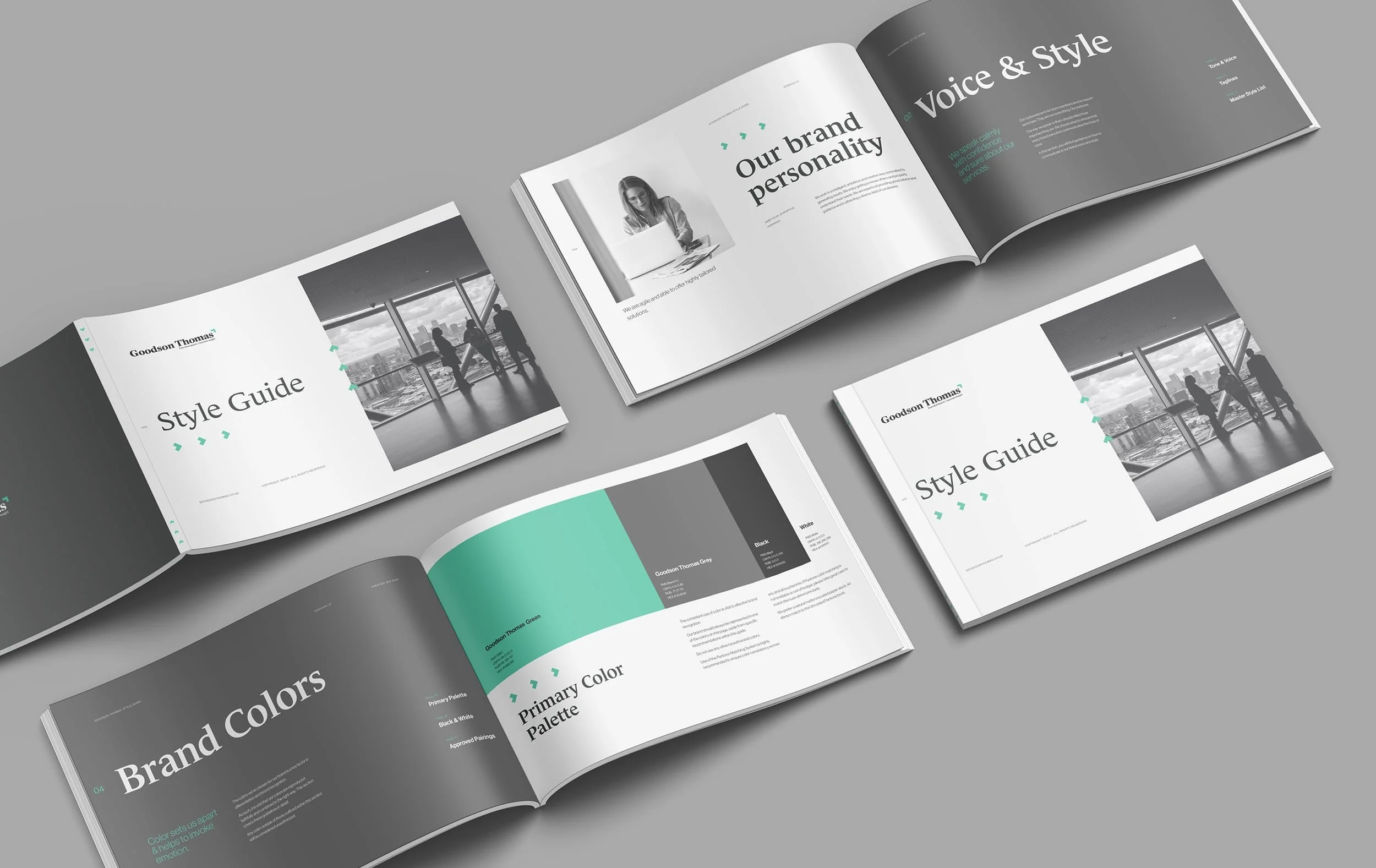
The document should cover correct and incorrect logo use, color specs and proportions, type hierarchy, image direction, messaging and tone, and application examples.
It becomes the reference for every team member, agency partner, printer, and contractor who touches the brand. Without it, consistency depends on memory. Memory fails as soon as the team grows.
Ready to elevate your brand identity?
Discover how our tailored branding services can transform your business
and set you apart from the competition.
Types of Branding Packages by Business Stage
Not every business needs the same scope. Matching scope to stage prevents both underspending and overspending.
Essential packages for early stage businesses
Built for launch. Usually covers the logo suite, color, typography, and a short guidelines document.
This fits a business that is still testing its market position. Early stage companies in this range often work with our startup branding services, which focus on speed and investor ready credibility.
Growth packages for established businesses
Adds strategy, messaging systems, more applications, and fuller documentation.
This fits a business with proven demand that now needs its presentation to match its position. Smaller established companies in that spot are the focus of our small business branding services.
Complete brand systems
Includes research, competitor analysis, positioning, a full visual and verbal identity, extended applications, and complete documentation.
This fits businesses with several products, markets, or audience segments, where inconsistency costs real money.
Rebranding projects
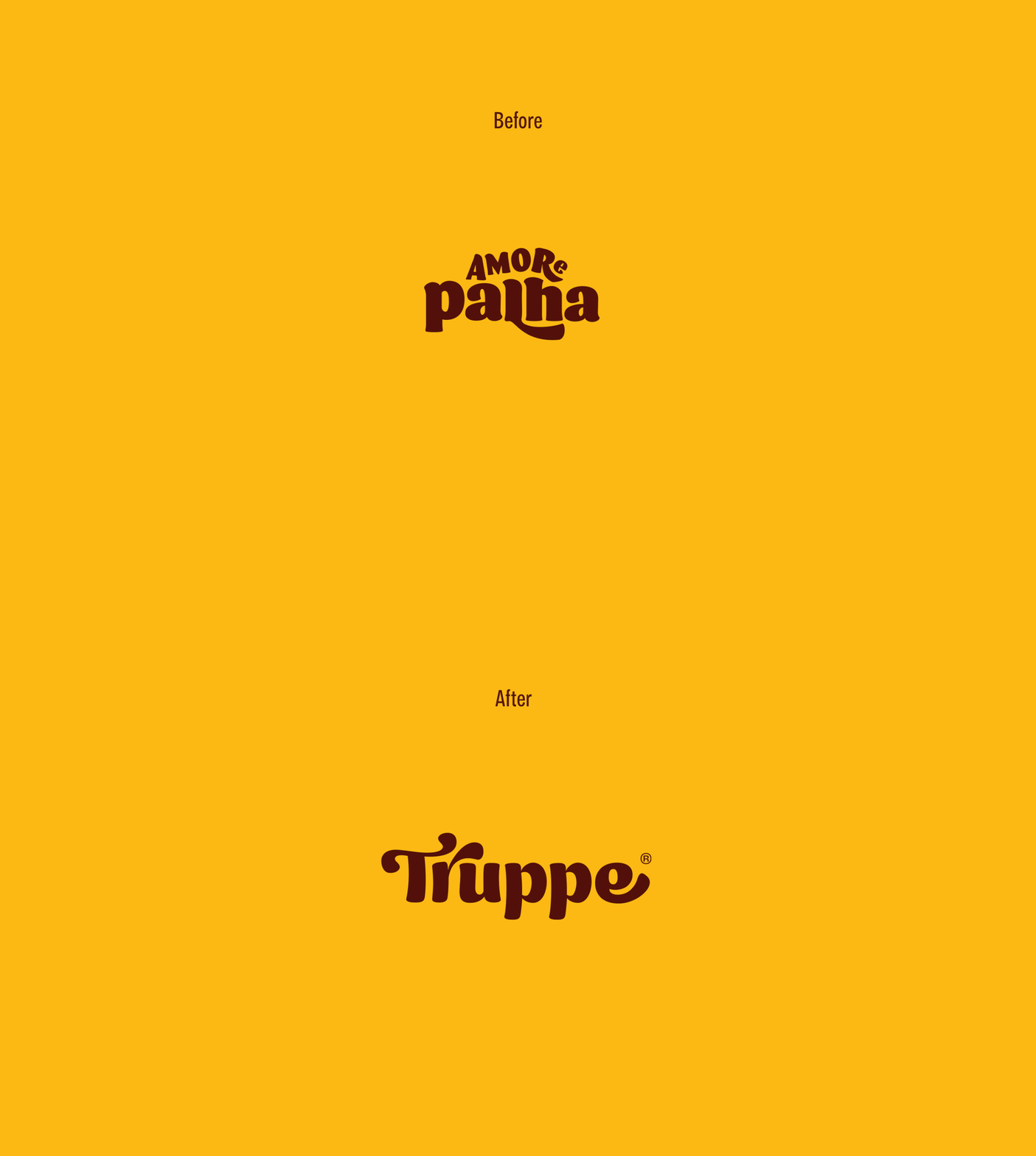
A rebrand is its own case. You already have brand equity, and you have to assess it before you replace anything.
The work covers an audit of current perception, a decision on what to keep and what to drop, and a transition plan that does not confuse current customers. Our rebranding services follow that order.
Decide between a refresh and a full rebrand before you request quotes.
Discover how we can turn your vision into reality.
Click the button below to explore our website and get to know the projects we've developed with passion and expertise.

How Much Does a Branding Package Cost?
Branding prices are not standard, so quotes are hard to compare. Knowing the variables lets you judge an offer on substance instead of on the number.
What drives the price
Five factors explain most of the range.
Strategic depth. Research, competitor analysis, and positioning cost more than execution alone.
Number of deliverables. Every extra application, template, or format adds production time.
Provider type. Freelancers, small studios, and full service agencies have different cost structures.
Business complexity. Several products, audiences, or markets need a system that handles each one.
Timeline. Rush work costs more, because it requires dedicated capacity.
Pricing models you will see
Fixed project pricing covers a defined scope for an agreed fee. You know the budget up front. It is the most common model for branding packages.
Hourly and day rates suit ongoing design support better than identity projects. They also make the total harder to predict.
Retainers fit businesses that need continued brand support after launch, not a one time delivery.
For most branding packages, fixed pricing tied to a written scope is the right choice.
Where cheap packages get expensive
Template and marketplace packages cost less because they leave out the parts that create difference.
What usually goes missing: strategic positioning, font licenses, vector source files, usage documentation, and a check for originality against competitors in your category.
So many businesses end up paying twice. Once for the cheap package, and again for the rebrand they need a year later, when the identity cannot support growth. Treat branding as an investment with a multi year return.
How to Choose the Right Branding Partner
Scope and price only mean something once you know what you are buying.
Start with your business stage
Your situation decides the answer.
If you are launching, you need a foundation that builds credibility fast. If you are established but inconsistent, you need a system and clear rules. If your positioning has changed, you need strategy first. Design built on old positioning will not fix a positioning problem.
Questions to ask before you sign
What strategy work happens before design starts?
Which file formats and source files will I own?
Are font licenses included, and for which uses?
How many revision rounds are included, and what happens after that?
Will I get written brand guidelines, and how detailed are they?
Who owns the intellectual property after delivery?
Anything vague here tends to show up later as an extra invoice.
What to look for in a provider
Check the portfolio for range, not for a repeated style. A studio that makes near identical work across unrelated industries is using a template, not solving positioning problems.
Look for case studies that explain the thinking, not just the final images. The reasoning is the proof of strategic skill.
Testimonials and repeat clients point to a reliable process. On a project with deadlines, that matters as much as creative quality.
Compare scope, not headline price
Judge proposals on deliverables and strategic depth.
A lower quote for a logo and colors and a higher quote for positioning, a full identity system, applications, and documentation are not the same offer. They are different products.
What the Process Looks Like
Timelines change with scope. Most professional projects follow the same four steps.
Discovery and research sets the business context, audience, competitors, and goals.
Strategy and positioning defines how the brand should be seen and what makes it different.
Identity design turns that direction into a visual and verbal system.
Documentation and delivery packages the assets and the rules that govern them.
Most branding package projects run four to twelve weeks. Strategy only projects usually take two to six weeks. You can compress a timeline, but you lose research time, and research is where most differentiation comes from.
How to Measure the Results
Branding pays off over time, not overnight. That is why you need the right measures.
Recognition and recall
Check whether customers name your brand without seeing the logo. Check whether they describe it the same way.
Internal consistency
Audit your own channels every quarter. If work made by different people still looks like one company, the system works.
Quality of leads
A clearer brand attracts better matched prospects. You see it as shorter sales cycles and fewer wrong fit inquiries, not just as more traffic.
Pricing power
Holding or raising prices without losing volume is the clearest sign that perceived value went up.
Marketing efficiency
Assets stop needing a redesign from scratch. Campaigns build on recognition that earlier ones created. Cost per acquisition tends to drop.
Build a Brand System That Supports Growth
At Holman\Design®, we build branding packages as business assets, not as visual deliverables. Every project starts with positioning, because you can only judge an identity against what the business is trying to achieve.
If you are launching, scaling, or repositioning, explore our full range ofbranding services or review our approach tobrand identity design.
Frequently Asked Questions
-
A professional branding package includes a logo suite with variations, a color palette specified for digital and print, typography and hierarchy rules, brand messaging and tone of voice, application assets and templates, and a written brand guidelines document.
-
Cost depends on five things: strategic depth, number of deliverables, provider type, business complexity, and timeline. Packages that cover only visual basics sit at the low end. Projects that include research, positioning, and a complete brand system sit much higher. Fixed pricing tied to a written scope is the most common model.
-
Most branding package projects take four to twelve weeks. Strategy only projects usually take two to six weeks.
-
No. A branding package defines the overall identity system. Packaging design applies that system to physical products, such as labels, boxes, and containers. Product businesses usually need both.
-
In most cases, yes. A logo is one asset. Without color rules, typography, messaging, and usage documentation, consistency depends on personal judgment. That is where most identity problems start.
-
A refresh updates an existing identity and keeps its recognition. A rebrand replaces the positioning and the identity. It usually happens when the business changes direction, audience, or market.
-
Put ownership in writing before the project starts. Professional studios transfer full rights to the client on final payment. Font licenses work differently, since the client usually holds them under the foundry terms.